About Us - EPPS Math & Coding Camp
About Us
Meet the team behind the EPPS Math & Coding Camp:
Prajyna Paramita Barua
PhD Student, Economics
Prajyna Paramita Barua is currently pursuing her Ph.D. in Economics from the University of Texas, Dallas. Her research interests lie in applied macroeconomics and labor economics, with a particular focus on understanding the dynamics of the US labor market. Specifically, she is examining the changing trade-offs between vacancies and unemployment in the U.S. labor market under time variation, and assessing labor market efficiencies and inefficiencies through the lens of the unemployment gap. She further explains the sources of such inefficiencies using micro-level CPS data, both at the aggregate and industry level, under the Beveridge Curve framework. In addition to these individual projects, she is also working on two other co-authored projects. The first co-authored project estimates both unemployment and output gaps under a bivariate learning process with implications for monetary policy. The second co-authored project is on the formal labor market of Mexico, with co-authors from the Banco de México. In addition to her research, Prajyna has taught Principles of Macroeconomics at the University of Texas at Dallas, where she is committed to enhancing student engagement and improving learning outcomes. Building on her current work, she aims to pursue a career in academia or a policy-oriented institution, where she can apply her expertise in macro-labor economics to address real-world economic challenges.
Dohyo Jeong
PhD student, Public Policy & Political Economy

Dohyo Jeong’s research focuses on identifying and addressing regional disparities in resource allocation within global public health systems, emphasizing public health crisis management, public health services planning, and the social impacts of epidemiology. He has researched geographic patterns of infectious diseases such as tuberculosis and access to treatment, revealing regional disparities that affect treatment outcomes. His work on emergency medical services (EMS) highlights the importance of demand forecasting and resource optimization using spatial-temporal machine learning techniques. Dohyo also explores the social impacts of public health crises, including the distribution of COVID-19 treatments, the influence of pandemics on education and crime patterns, and the role of social media in managing public hysteria. His future research aims to investigate disparities from regional and individual perspectives, utilizing causal inference, machine learning, and spatial statistics to enhance public health policy and reduce health disparities. At UT Dallas, Dohyo Jeong served as an instructor for the EPPS Math and Coding Camp (2024), taught the EPPS 2302 Methods of Quantitative Analysis in the Social and Policy Sciences course, and delivered various guest lectures.
Azharul Islam
PhD student, Economics
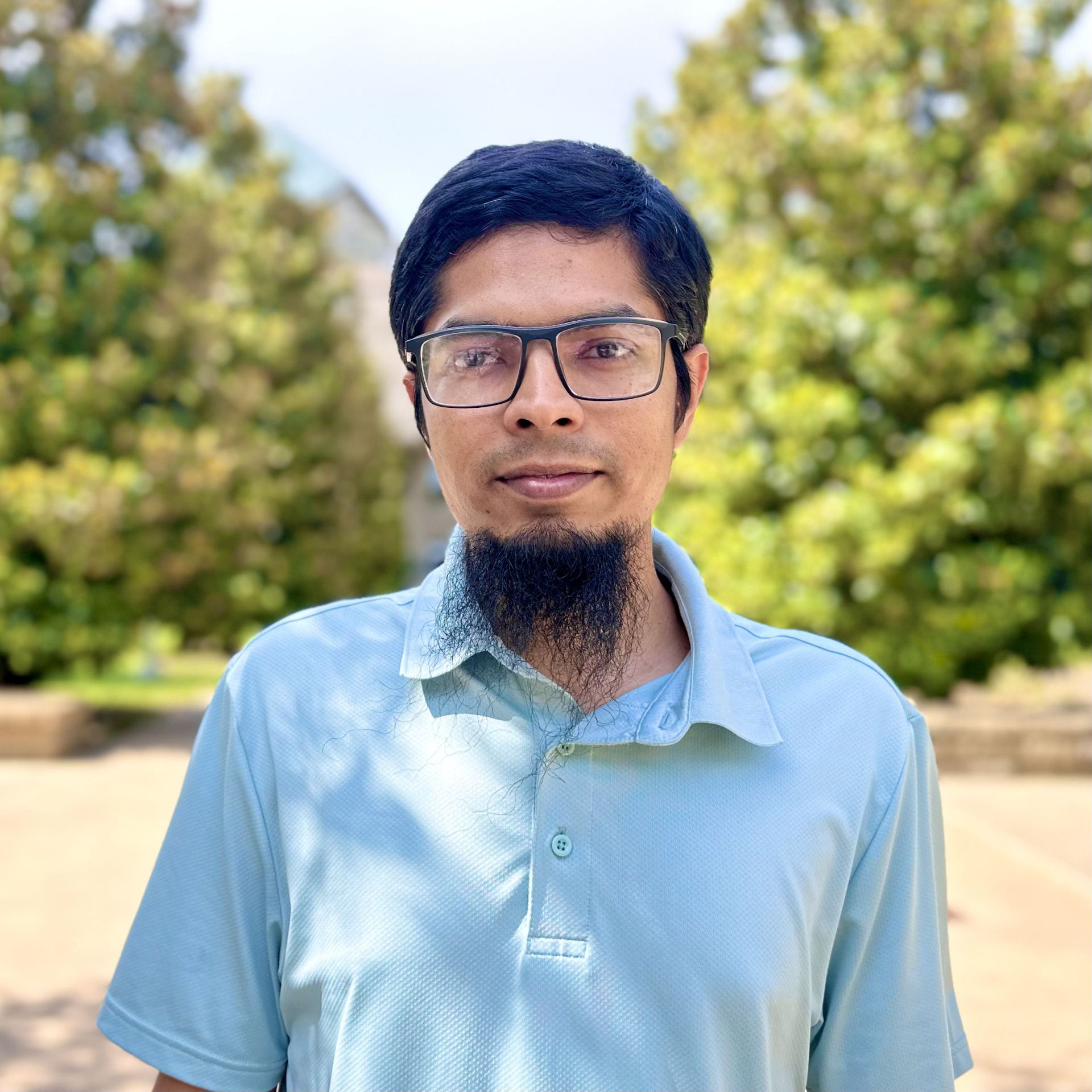
Azharul Islam is currently pursuing a Ph.D. in Economics at the School of Economic, Political, and Policy Sciences at UT Dallas. Prior to this, he earned a Master of Arts in Economics from Central Michigan University and Virginia Tech. Azharul’s research focuses on analyzing the impact of consumer sentiment on macroeconomic variables in the US, including GDP growth, unemployment, inflation expectations, and consumer price indices. He is also working on another independent project and three co-authored projects, all of which revolve around the common theme of inflation expectations within the context of the US macroeconomy. In addition to his research, Azharul teaches economics courses at UT Dallas as an instructor, where he relates economic theories to research findings to illustrate real economic phenomena. He is passionate about exploring the intersection of economics and policy, and aspires to make meaningful contributions to the macroeconomic field as an academic. Originally from Dhaka, Bangladesh, Azharul received his undergraduate degree in economics. Despite being physically separated by distance, he enjoys staying connected with his family members and relatives.
Shreyas Meher
PhD student, Public Policy & Political Economy
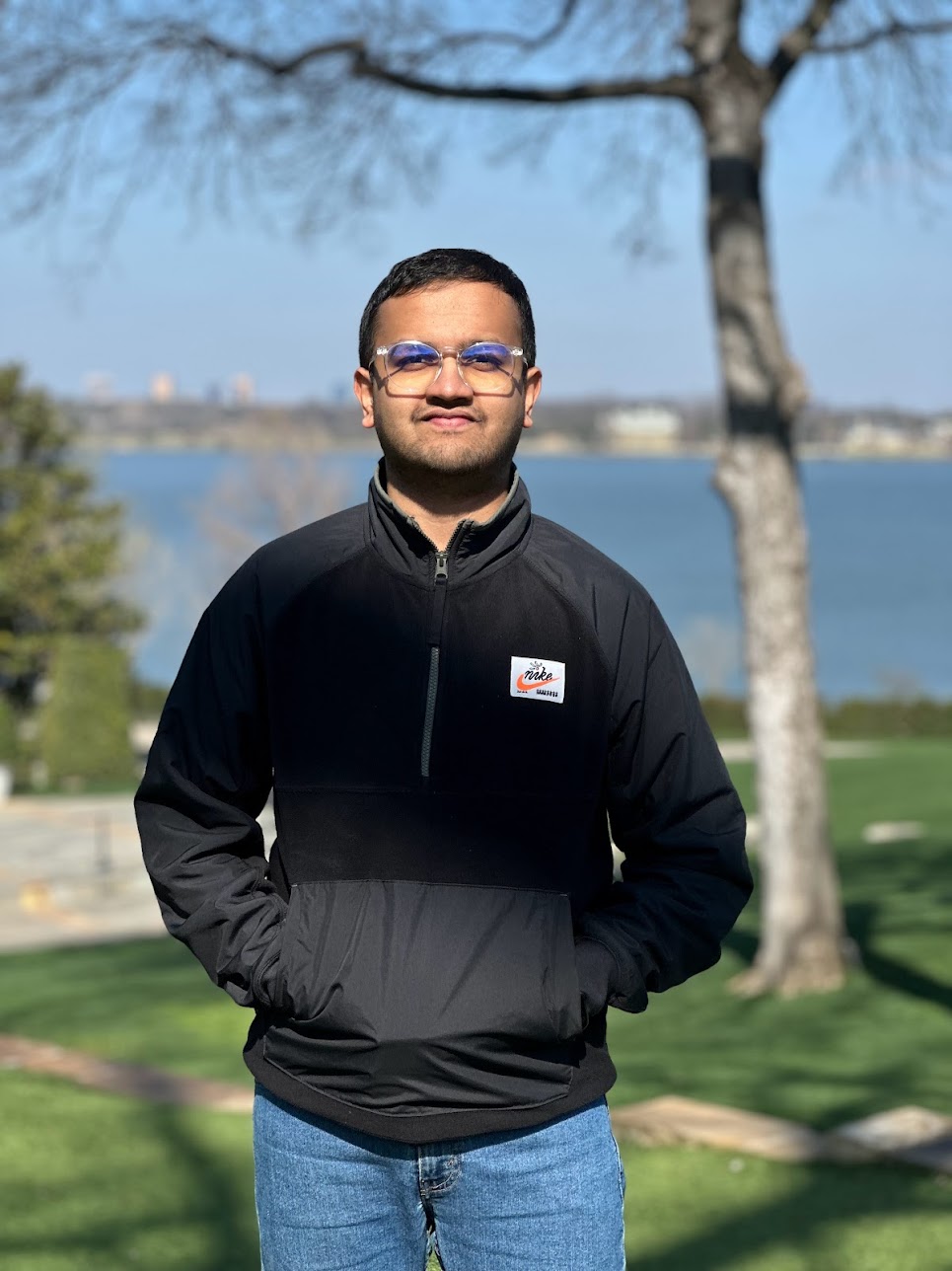
Shreyas Meher is a PhD candidate in Public Policy & Political Economy at the University of Texas at Dallas, specializing in the intersection of digital economics, political analysis, and computational linguistics. His research primarily focuses on internet censorship, cyber law and policy, and content moderation in democratic contexts. Shreyas employs advanced machine learning techniques, including Large Language Models, to analyze political and social event data. As a key contributor to an NSF-funded project, Shreyas works on applying cutting-edge ML technologies like ConfliBERT to revolutionize event data extraction in political science. His dissertation explores the nuanced approaches of democracies to internet control, the politics of internet blackouts in India, and the global impact of major tech companies’ decisions in authoritarian markets. Shreyas’s work spans comparative politics, digital governance, and the application of computational methods to policy questions. He has presented his research at major conferences like APSA and MPSA, and has papers under review in notable journals. With a background in economics and energy management, Shreyas brings a multidisciplinary approach to studying the complex interplay between politics, economics, and digital spaces.
Xingyuan Zhao
PhD Student, Political Science
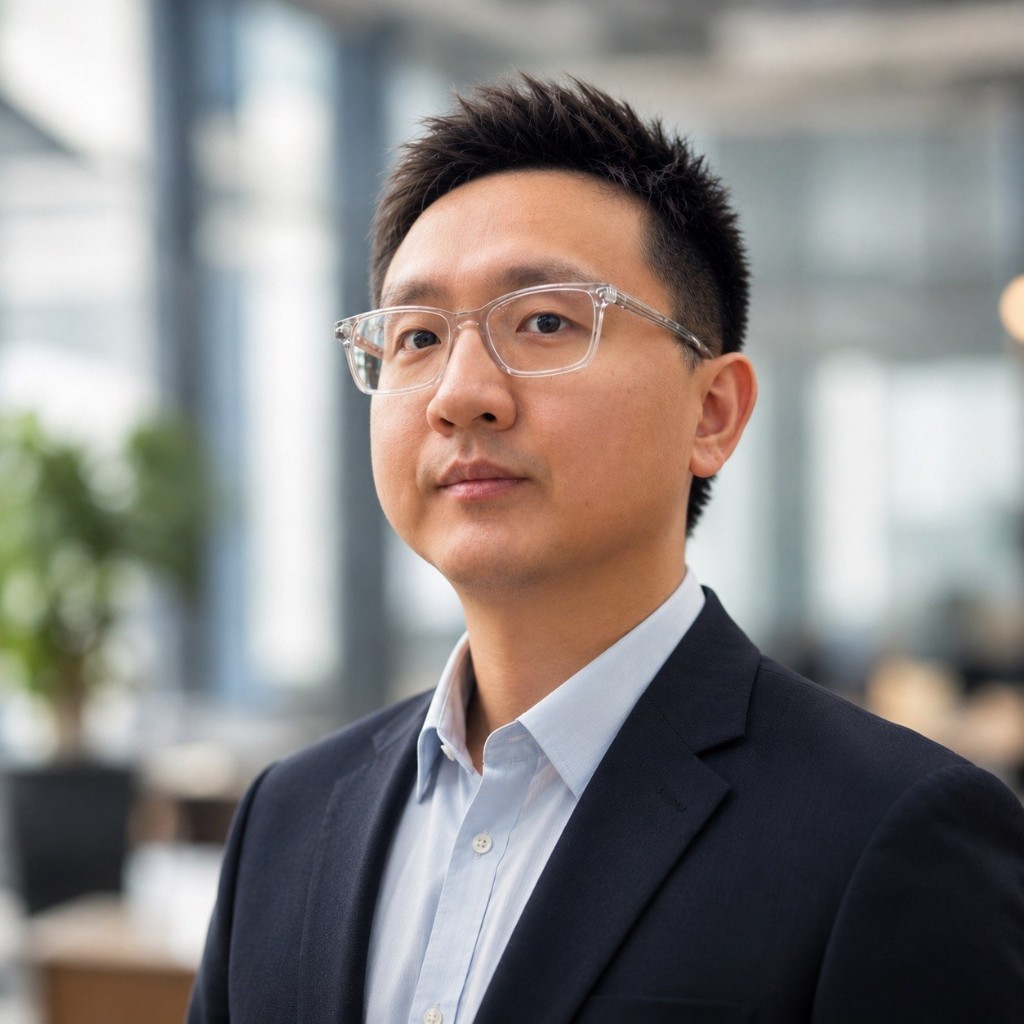
Xingyuan Zhao builds LLM systems and agentic workflows. Building these systems has made Xingyuan Zhao obsessed with one question: when should we trust them? Xingyuan Zhao is a Ph.D. candidate in Political Science at the University of Texas at Dallas and is concurrently pursuing an M.S. in Social Data and Analytics Research. His research focuses on AI governance and regulation and on computational text analysis methods for political science. They develop LLM-based annotation pipelines, causal-inference methods, and benchmark frameworks to study AI policy adoption, regulatory outcomes, and the politics of AI governance across political systems.
Taowen Hu
PhD Student, Economics
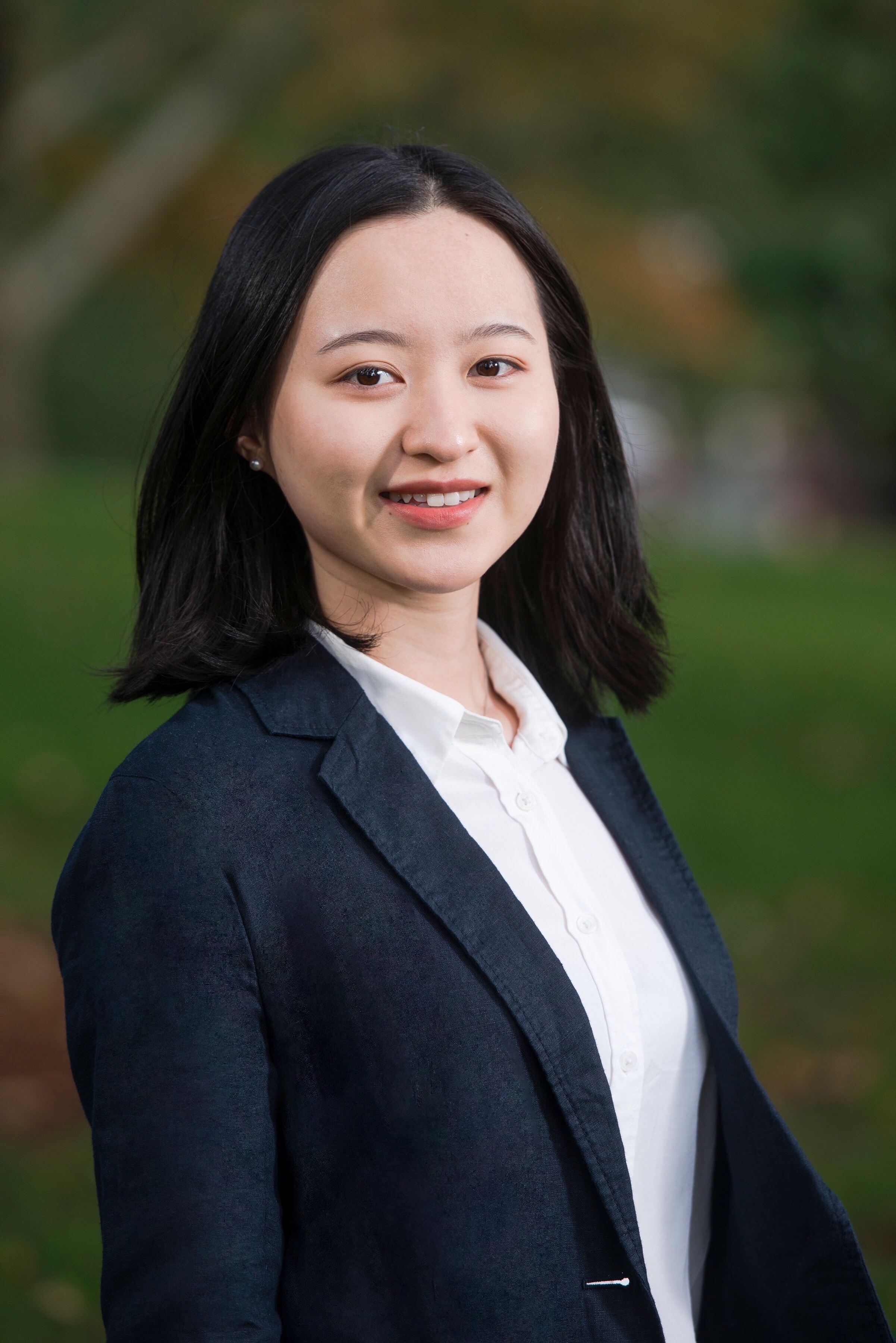
Taowen Hu is a Ph.D. candidate in Economics at the School of Economic, Political and Policy Sciences at The University of Texas at Dallas. Her research examines how financial market volatility influences the transmission and effectiveness of monetary policy, with a focus on uncertainty, financial conditions, and macroeconomic dynamics. In addition to her academic research, Taowen serves as an instructor for the undergraduate course Money and Banking at UT Dallas. She enjoys teaching and values clear communication, patience, and thoughtful engagement with students. In her classes, she aims to help students develop a solid understanding of monetary systems by linking economic theory to real-world examples and empirical research.
Brennan Stout
PhD student, Geospatial Information Sciences
Brennan Stout is currently a second year Ph.D. student in Geospatial Information Sciences at the University of Texas at Dallas. His research interests focus on spatial statistics and remote sensing. Brennan’s current research involves the study of the spatial distribution of risky behaviors, namely alcohol and tobacco consumption and census data. Additionally, modelling supply and demand of alcohol and tobacco for the purpose of supporting epidemiological research of diseases related to consumption of those substances. Brennan is currently a teaching assistant for GIS classes at the University of Texas at Dallas.
Dongeun Kim
PhD student, Geospatial Information Sciences
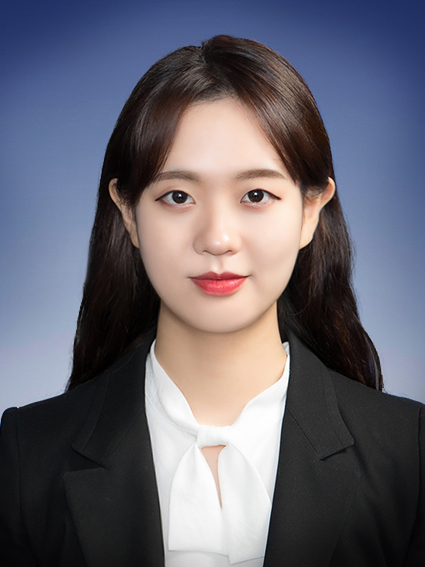
Dongeun Kim is a Ph.D. student in Geospatial Information Sciences at The University of Texas at Dallas, where she also serves as a teaching assistant and instructor. Her research focuses on spatial health disparities, location-allocation modeling, and advanced spatial analytics. She is the lead author of several peer-reviewed publications in journals such as Healthcare and Spatial Statistics, and a recipient of multiple awards including the Research/Teaching Assistant Scholarship, Pioneer Student Research Grant and Betty & Gifford Travel Award.
Prior to her doctoral studies, Dongeun earned her M.A. in Geography Education from Ewha Womans University in South Korea, where she developed expertise in machine learning applications to urban problems. She has contributed to government-funded research projects in Korea on smart city safety, disaster data systems, and AI-driven tourism services. Her recent work explores spatial imputation on Location-Allocation problem solutions, spatial disparities in access to dialysis care and multilevel spatial survival analysis. Dongeun has presented at international conferences including the American Association of Geographers and the Regional Science Association International.
She is proficient in spatial tools such as ArcGIS Pro, QGIS, R, Python, and SQL, and holds certifications in SQL development, data analytics, and information processing. Committed to integrating spatial science with real-world challenges, Dongeun’s work aims to inform health equity and spatial decision-making through rigorous geospatial research.
John-Paul Adjadeh
Ph.D. candidate in Political Science and Master’s student in Social Data Analytics and Research at the University of Texas at Dallas
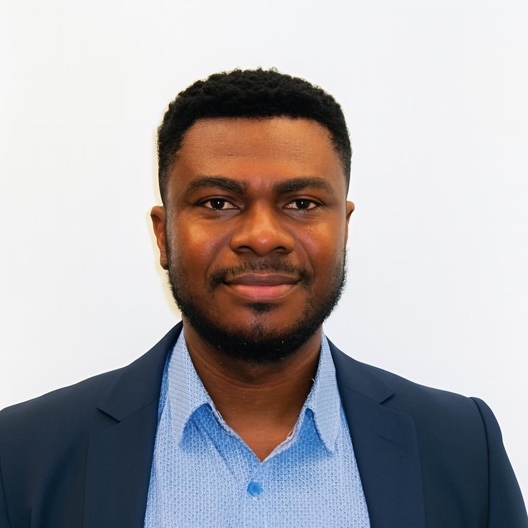
John-Paul Adjadeh is a Ph.D. candidate in Political Science and a Master’s student in Social Data Analytics and Research at the University of Texas at Dallas. His research focuses on comparative governance, legal pluralism, and institutional performance, with particular emphasis on customary land administration, judicial behavior, and electoral systems in Africa.
Before beginning his doctoral studies, John-Paul served for over a decade at Ghana’s Ministry of Chieftaincy and Religious Affairs, where he rose from Assistant Registrar to Principal Registrar. In this role, he contributed to institutional reforms in succession planning, land dispute resolution, and administrative coordination between traditional authorities and the state. His professional experience continues to inform his academic work, which bridges theory and practice in governance and public policy.
John-Paul’s research has been published in peer-reviewed outlets, including work with the Governance and Local Development Institute (GLD), and he has co-authored a book chapter published by Taylor & Francis. He also serves as a peer reviewer for Political Research Quarterly and the Journal of Emerging Investigators.
His work has been recognized through several honors, including the Brian J. L. Berry Scholar Award, the Government and Political Science Fellowship Award, and membership in the Phi Kappa Phi Honor Society. He is also a GLD Research Fellow and has presented his work at international conferences.
Beyond research, John-Paul is committed to mentorship and community building. He is the founder of the Ghana Students Association at UT Dallas. He serves as a Teaching Assistant in courses such as Human Trafficking and the Death Penalty, where he integrates global perspectives into the classroom. John-Paul’s long-term goal is to become a professor and policy researcher, contributing to academic scholarship while developing practical, data-driven solutions to governance challenges across both the Global South and the United States.
Program Director: Dr. Karl Ho
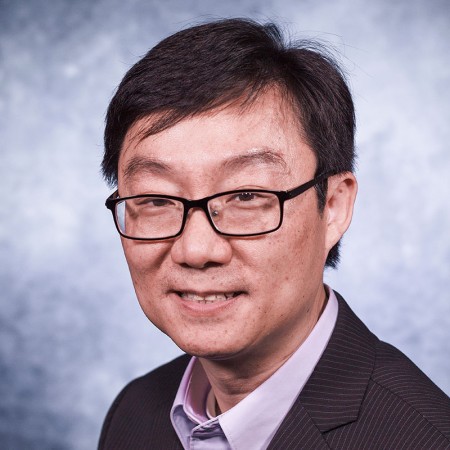
Karl Ho is a political scientist working at the intersection of data science and social science. His research interests span both domains of data analytics and political studies, with a regional focus on East Asia. The unifying theme of Karl’s research is to use data science methods to explain and prescribe social and political problems. Areas of research topics include democratization, political economy, public policy, and human rights, aiming at building public goods and improving policies, governance, and representation. As the Director of Graduate Studies in the University of Texas at Dallas (UTD) Political Science program, Karl oversees the graduate studies curriculum and is responsible for guiding students through their academic journey. He is also the founding faculty member of the UTD Social Data Analytics and Research Master’s program, where he leads a team of researchers in exploring the intersection of data science and social science. Additionally, Karl hosts the Data Analytics Colloquium, a joint project with the National Chung Hsing University, which brings together experts from various fields to share their research findings and insights on the applications of data analytics.